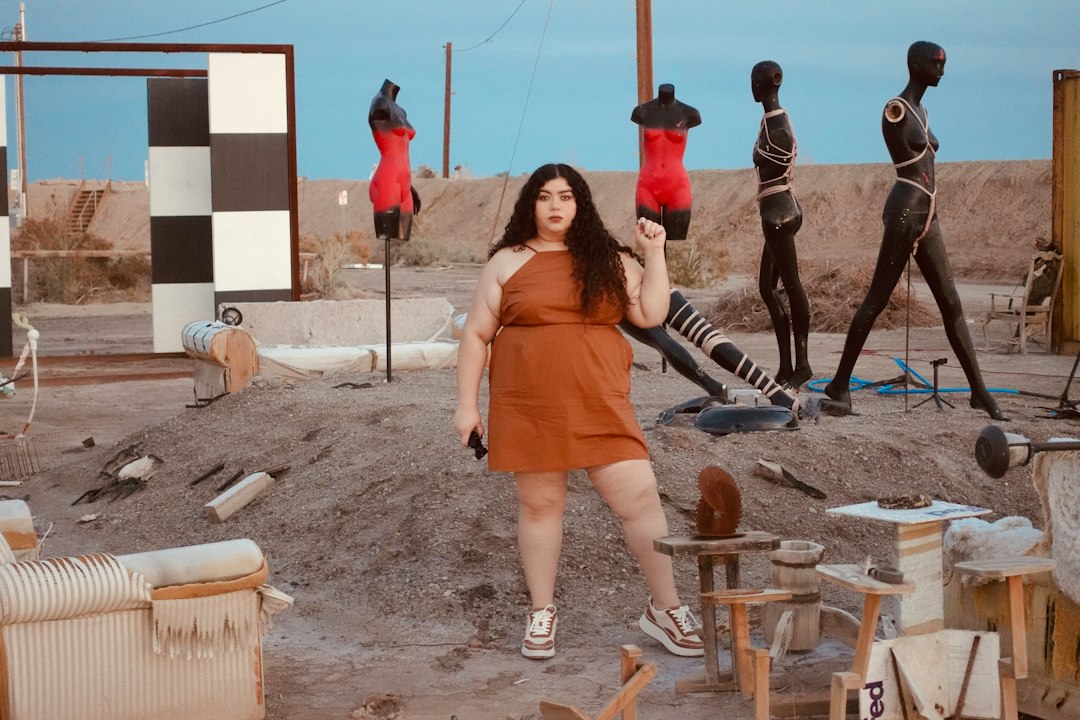
Body neutrality vs. body positivity comes down to where you place your focus: body positivity encourages actively appreciating your body (including how it looks), while body neutrality emphasizes respecting your body for what it does—without requiring love or confidence every day.
In plus-size fashion, both can help you get dressed with less pressure and more ease.
Getting dressed is one of the most frequent “body image moments” we have—mirrors, fit, photos, sizing numbers, and changing trends can all show up at once. If body positivity feels empowering, lean in.
If it feels like another standard you have to meet, body neutrality can be a relief. The best mindset is the one that helps you show up for yourself—today.

Defining Body Positivity: Core Ideas and Common Misconceptions
Body positivity is a mindset and cultural movement that, at its core, challenges narrow beauty standards and argues that all bodies deserve respect and representation. In everyday life, it often shows up as practices like celebrating your body, seeking style inspiration that looks like you, and rejecting shame around size, shape, or visible features (like cellulite, stretch marks, or soft bellies).
What Should I Wear? 👗
Tell us the plan and your mood. We'll help you find your look.
Where are you headed? 💌
Pick the occasion.
What's your vibe today? ✨
No wrong answers. Go with your gut.
What's your shopping mood? 🛍️
We'll use this to guide the picks—not judge your budget.
Some links may be affiliate links. If you shop through them, PlusMermaids may earn a commission at no extra cost to you.
What body positivity is (in a fashion context)
- Permission to take up space in bold colors, trend pieces, and statement looks—without waiting for a different body.
- Representation matters: choosing brands, creators, and imagery that include plus-size bodies in a real, non-tokenizing way.
- Style as joy, not “correction”: dressing for vibe, comfort, and personal taste rather than “fixing” yourself.
Common misconceptions
- “You must love your body every day.” That’s the big one. Many people find body positivity inspiring—but also exhausting when it turns into a constant emotional performance.
- “Body positivity is only about appearance.” It can include appearance, but it’s also about dignity, access, and being treated well in clothes and in the world.
- “If you’re struggling, you’re doing it wrong.” Struggle doesn’t disqualify you. It just means you’re human.
Plus-size fashion takeaway: Body positivity pairs well with expressive styling—think a bright mini dress, a bikini, or a sharp suit—because it supports the idea that you don’t need to earn visibility.

What Body Neutrality Means (and What It Doesn’t)
Body neutrality shifts the goal from loving how your body looks to accepting that your body is allowed to exist without constant evaluation. Instead of “I love my thighs,” it might be “These thighs get me where I’m going,” or even “My thighs are not today’s main topic.”
What body neutrality is
- Less focus on appearance as the central measure of worth.
- Respect and care for your body (comfort, fit, movement, rest) even if you don’t feel confident.
- A practical mindset for days when mirrors feel loud.
What body neutrality is not
- Not giving up on style. Neutrality doesn’t mean dressing “basic” or avoiding trends. It means style doesn’t have to be a referendum on your body.
- Not pretending you have no feelings. You can acknowledge discomfort without spiraling into self-criticism.
- Not “body ignoring” at your expense. If a waistband hurts or a fabric chafes, neutrality supports changing the clothes—not tolerating misery.
Plus-size fashion takeaway: Body neutrality pairs well with comfort-forward, high-function styling—pieces that feel good on the body and support your day (soft tailoring, breathable fabrics, shoes you can walk in).
Key Differences Between Body Neutrality and Body Positivity
Both approaches can be healthy, supportive, and liberating. The difference is the emotional ask.
Primary goal
- Body positivity: Build appreciation and celebration.
- Body neutrality: Reduce body as the main focus; prioritize function and well-being.
Relationship to appearance
- Body positivity: Appearance can be reclaimed and celebrated.
- Body neutrality: Appearance is de-centered; you don’t have to “feel beautiful” to be okay.
Daily accessibility
- Body positivity: Can be energizing—but may feel hard on low-confidence days.
- Body neutrality: Often easier to access when you’re stressed, bloated, hormonal, or simply not in the mood.
How it shows up when getting dressed
- Body positivity: “I’m wearing this because I look amazing.”
- Body neutrality: “I’m wearing this because it fits, feels good, and supports my life.”

Find My Perfect Fit ♡
A little help choosing clothes that feel as good as they look.
Where are you shopping?
Choose a store to explore its sizing guidance.
What are you shopping for?
Different garments need different fit checks.
How do you like your clothes to fit?
There is no right answer—choose what feels good to you.
What size do you usually start with?
This is just a starting point—not a size prediction.
Your choices stay in this page session. We do not ask for your name or save your size answers.
Some links may be affiliate links. If you shop through them, PlusMermaids may earn a commission at no extra cost to you.
If you’re deciding between body neutrality vs. body positivity, consider this: positivity is additive (more love), neutrality is subtractive (less judgment). Many people use both depending on the day.
Benefits and Limitations of Each Approach
Body positivity: benefits
- Encourages visibility and self-expression, especially in spaces that have excluded plus-size bodies.
- Can boost confidence to try new silhouettes (sheer layers, bodycon, crop tops, lingerie-as-outerwear).
- Supports community and representation, which can change what you think is possible.
Body positivity: limitations
- Can slide into pressure to perform confidence—especially on social media.
- If framed as “love your body always,” it may feel invalidating when you don’t.
Body neutrality: benefits
- Reduces appearance-based emotional labor: you can get dressed without negotiating your self-worth.
- Helps you choose clothes based on fit, comfort, and function, which often leads to a better wardrobe.
- Offers relief if you’re tired of motivational messaging and want something simpler.
Body neutrality: limitations
- If misunderstood, it can be used to avoid body-related feelings rather than process them.
- Some people miss the celebratory aspect—especially when they want fashion to feel playful and loud.
Editorial note: You don’t have to pick one forever. Think of them as tools: one for when you want to feel radiant, one for when you want to feel steady.
How to Know Which Mindset Fits You Right Now
Use your getting-ready routine as a quick check-in. The best choice is the one that reduces stress and supports your life.
Body positivity might fit right now if…
- You feel energized by affirmations and representation.
- You want to experiment—maybe you’re ready for a bold print matching set or a fitted dress you’ve been saving.
- You’re building confidence after years of being told certain looks “aren’t for you.”
Try this styling move: Pick one “visibility piece” (a bright color, a sleeveless top, a short hem) and pair it with a grounding basic you love (your best jeans, a sleek sneaker, a familiar jacket). You get the thrill without feeling costume-y.
Body neutrality might fit right now if…
- You’re exhausted by body talk (even positive body talk).
- You want to stop negotiating with the mirror before leaving the house.
- Your body feels sensitive—bloating, sensory overload, pain, or just a “not today” mood.
Try this styling move: Build a “no-thought outfit formula” using pieces that reliably feel good:
- a soft tee or breathable blouse
- a pull-on trouser, roomy jean, or flowy skirt
- a third layer (open shirt, blazer, denim jacket, cardigan)
- shoes you can truly walk in
The point is ease—not camouflage.
Practical Ways to Practice Body Neutrality or Body Positivity Daily
These are plus-size fashion–friendly practices that don’t require a personality transplant.
If you’re practicing body positivity
- Follow style inspiration that looks like you. Seeing plus-size outfits on bodies similar to yours makes styling feel doable, not theoretical.
- Buy clothes for the life you’re living. Don’t “wait until.” If you need a swimsuit, get one now—then choose a cover-up or linen set that makes you feel like you.
- Choose clothes that create delight. Texture (mesh, satin, crochet), color, or a signature accessory can shift your mood fast.
- Say yes to tailoring when you love a piece. Not to “fix you”—to make the garment fit your proportions the way it was meant to. Hemming, sleeve shortening, and waist nips can transform how something feels.
If you’re practicing body neutrality
- Shop your closet by sensation first. Ask: Do I want soft, structured, airy, stretchy, weighty? Fabric choice is body-neutral gold.
- Audit fit friction. Notice what triggers self-criticism: rolling waistbands, gaping buttons, itchy seams, sliding straps. Swap the garment, not your mood.
- Use “fit language,” not “body language.”
- Instead of: “My stomach looks huge.”
- Try: “This top is pulling at the hem; I want more length or drape.”
- Create an outfit safety net. Keep 2–3 outfits that always work—photos included. On tough days, you’re not problem-solving from scratch.
- Choose supportive underlayers only if they feel good. If a smoothing short or supportive bra makes you more comfortable, great. If it feels restrictive, skip it. Comfort is the metric.
A shared practice that works for both
- Get ruthless about comfort and sizing shame. Sizes vary wildly by brand; the number is not a body review. Prioritize how the garment fits your shoulders, bust, waist, hips, thighs, and movement needs—sitting, walking, reaching, living.
When to Seek Extra Support for Body Image Struggles
Mindsets help, but they aren’t a substitute for support when body image distress is persistent or intense. Consider reaching out to a qualified mental health professional (and, if relevant, a clinician or registered dietitian) if you notice:
- Body thoughts that feel intrusive, constant, or spiraling
- Avoiding social events, intimacy, work opportunities, or daily tasks because of body anxiety
- Compulsive checking (mirror checking, body measuring) or avoidance (refusing mirrors entirely) that disrupts life
- Patterns of restriction, bingeing, purging, overexercising, or other behaviors that may signal an eating disorder
- Strong distress around clothing that goes beyond normal fit frustration (panic, shame, or dread that won’t ease)
If you ever feel unsafe or at risk of harming yourself, seek immediate help through emergency services or a crisis hotline in the U.S. (such as calling or texting 988).
PlusMermaids perspective: You deserve clothes that fit your body and a life that isn’t dominated by body management. Whether you lean into body positivity, body neutrality, or a mix of both, the goal is the same: getting dressed should support your day—not steal it.
What Does Your Skin Need Today?
A little beauty check-in to help you find your next feel-good routine. 💕
What are you in the mood for? 💗
Pick your beauty mood ✨
How much time feels right? ⏰
Your Beauty Picks 💕
A few things to explore — choose what feels right for you.
Some links may be affiliate links. If you buy through them, PlusMermaids may earn a commission at no extra cost to you.